

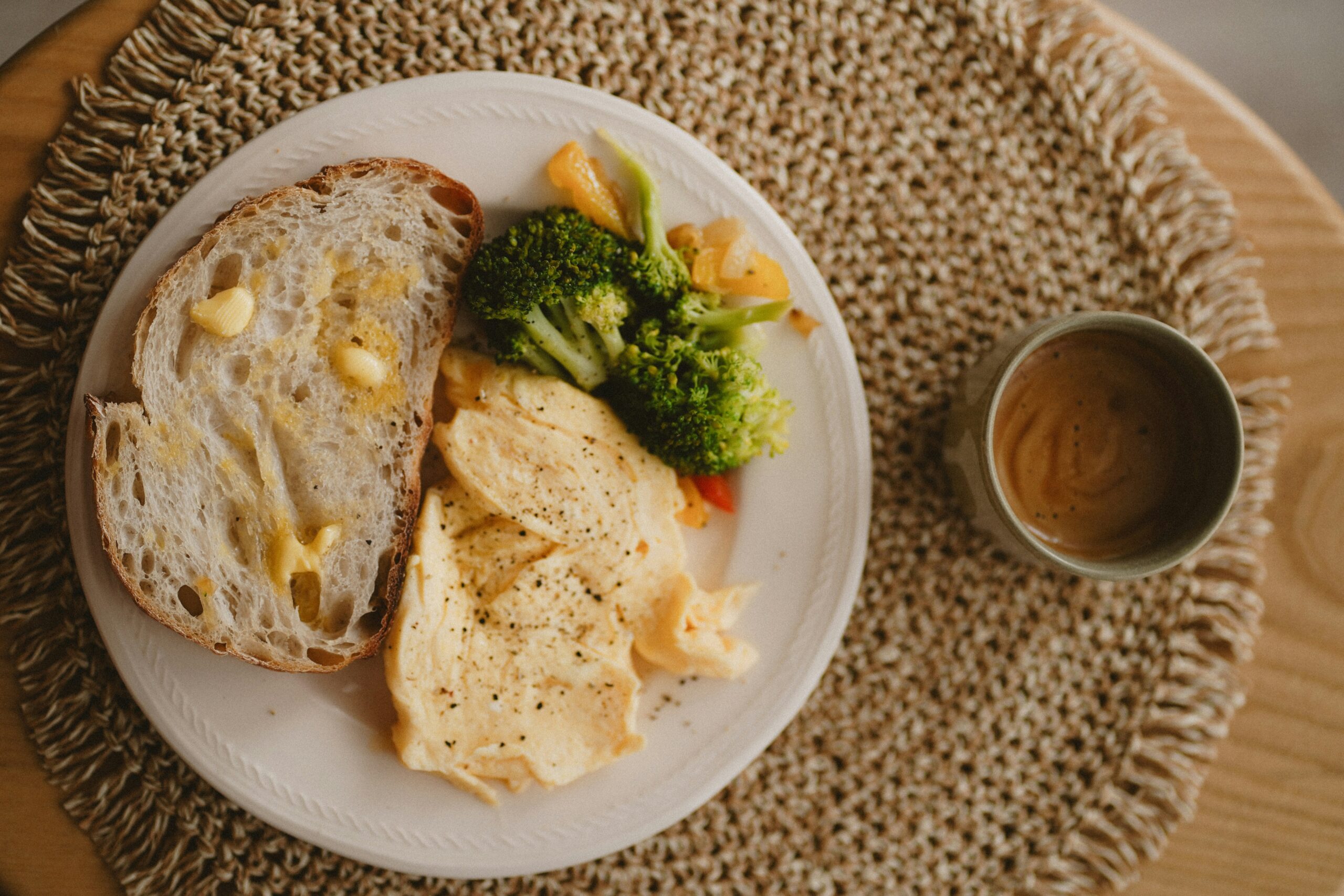
Understanding Delayed Highs From High-Fat Meals
Why high-fat meals cause glucose spikes hours later.
One of the most confusing experiences for people with Type 1 or Type 2 diabetes is the “delayed high.” Hours after eating, glucose rises dramatically—even if numbers looked perfect earlier. The ADA explains how fat slows digestion, delaying glucose absorption.
What’s happening
Fat slows gastric emptying, which means the glucose from your meal enters your bloodstream hours later. If the blood sugar regulating the hormone’s timing doesn’t match digestion timing, a spike hits when you least expect it. In a 2025 discussion, Sally described the surprise of these patterns:
“You can be done eating and think you’re fine… and then hours later you’re going higher and higher.”
— Sally Figueroa
Knowing the pattern helped her prevent nighttime emergencies.
What you can do
- Anticipate late spikes after high-fat meals (pizza, cream-based dishes, fried foods).
- Use movement—10–15 minutes—to assist digestion.
- Hydrate early and late.
- Track your body’s timing so patterns become predictable.
What to avoid
- Stacking medication corrections too quickly.
- Treating late highs as random when they often follow a clear physiological pattern.
How to move forward
Understanding delayed digestion turns mystery glucose swings into something you can plan for—not fear.
Our Pay It Forward Approach
Every small act of sharing creates a ripple. If this piece resonated with you, consider sending it to someone who might need the same hope today—or leave us a comment in the section below with your own saving story so thousands can benefit from it. No one should have to navigate the cost of illness alone.
Verification Note
Checked and verified active December 2025
All sources are peer-reviewed journals, government agencies, or nonprofit clinical authorities
Physiology of Delayed Highs After High-Fat Meals
American Diabetes Association — Nutrition & Postprandial Glucose Response
https://diabetesjournals.org/care/article/36/5/1279/29459/Impact-of-Fat-and-Protein-on
ADA clinical review explaining how fat and protein delay gastric emptying and cause late post-meal hyperglycemia.
American Diabetes Association — Medication Timing & Mixed Meals
Gastric Emptying Delay Caused by Fat
NIH / PubMed — Dietary Fat Delays Gastric Emptying and Glucose Absorption
https://pubmed.ncbi.nlm.nih.gov/10447501/
NIH — Mechanisms of Fat-Induced Delayed Glycemia
https://www.ncbi.nlm.nih.gov/pmc/articles/PMC5118793/
CGM Evidence of Late Postprandial Hyperglycemia
NIH — Continuous Glucose Monitoring Reveals Late Hyperglycemia After High-Fat Meals
https://www.ncbi.nlm.nih.gov/pmc/articles/PMC5375075/
Diabetes Technology & Therapeutics — Pizza Effect & Delayed Glucose Peaks
https://www.liebertpub.com/doi/10.1089/dia.2016.0422
Overnight & Nocturnal Risk from Delayed Digestion
NIH — Nocturnal Hyperglycemia Following High-Fat Evening Meals
https://pubmed.ncbi.nlm.nih.gov/28716856/
Endocrine Society — Postprandial Glucose Patterns and Nighttime Risk
https://academic.oup.com/jcem/article/104/12/6023/5540957
Clinical Guidance for Management (Non-Instructional)
ADA Standards of Care — Postprandial Glucose Management
https://diabetesjournals.org/care/article/47/Supplement_1/S151/153955/8-Obesity-and-Weight-Management
International Society for Pediatric and Adolescent Diabetes (ISPAD) — Fat & Protein Effects on Glucose
https://cdn.ymaws.com/www.ispad.org/resource/resmgr/consensus_guidelines_2022/ispad_clinical_practice.pdf